With the advancement of technology and the increasing awareness of environmental protection, LED lights (Light Emitting Diode lights) have gradually become the mainstream choice for modern lighting. Compared to traditional ordinary lights (such as incandescent lamps and fluorescent lamps), LED lights excel in multiple aspects, making them the preferred choice for household, commercial, and public lighting. This article will delve into why LED lights are preferred and compare the differences between LED lights and ordinary lights.
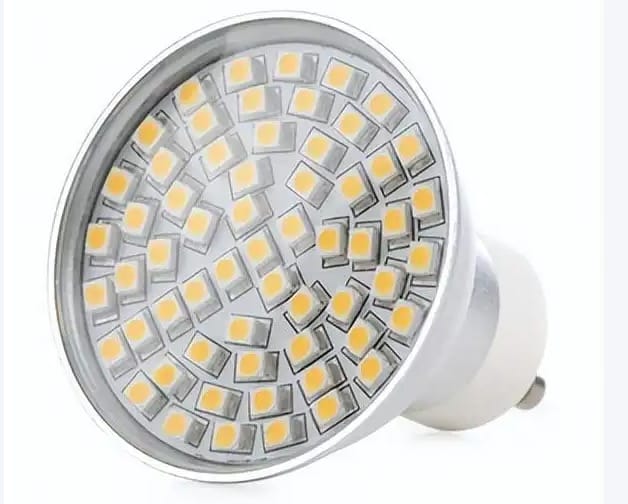
Advantages of LED lights
1. Energy-saving and high efficiency
One of the greatest advantages of LED lights is their high efficiency and energy-saving performance. Compared to traditional incandescent and fluorescent lamps, LED lights consume less energy but emit light with higher efficiency. Specifically, the energy efficiency of LED lights is about 80-90% higher than that of incandescent lamps and about 50% higher than that of fluorescent lamps. This means that under the same brightness, LED lights consume less electric energy, thereby significantly reducing electricity bills.
2. Longer lifespan
The lifespan of LED lights is significantly longer than that of traditional lighting fixtures. The lifespan of ordinary incandescent lamps is generally around 1000 hours, while fluorescent lamps have a lifespan of around 8000 hours. In contrast, LED lights can last for 25,000 to 50,000 hours. This extended lifespan not only reduces the frequency of lamp replacement but also lowers maintenance costs.
3. Environmentally friendly and pollution-free
LED lights do not contain harmful substances such as mercury and lead, making them a more environmentally friendly lighting option. In contrast, fluorescent lamps contain mercury, which can pollute the environment once they are broken. Furthermore, the production and disposal of LED lights have less impact on the environment, aligning with modern society’s demands for environmental protection.
4. High color rendering
The color rendering index (CRI) of LED lights is typically high, enabling a more accurate reproduction of object colors. High-color-rendering lighting not only enhances visual comfort but also holds significant importance in commercial and artistic lighting. For instance, in clothing stores, galleries, and other such venues, high-color-rendering lighting allows for a more precise display of the colors of merchandise and artworks.
5. Turn on and light up immediately
LED lights feature instant-on capability, eliminating the need for a warm-up period. This advantage is particularly evident in places where frequent switching is required, such as corridors and stairwells. Furthermore, frequent switching of LED lights does not affect their lifespan, further enhancing their convenience of use.
6. Diversified design
LED lamps feature diverse designs, catering to lighting needs in various scenarios. Whether it’s home lighting, commercial lighting, or outdoor lighting, LED lamps offer suitable solutions. Their compact size and flexible design make them widely applicable in decorative lighting as well.
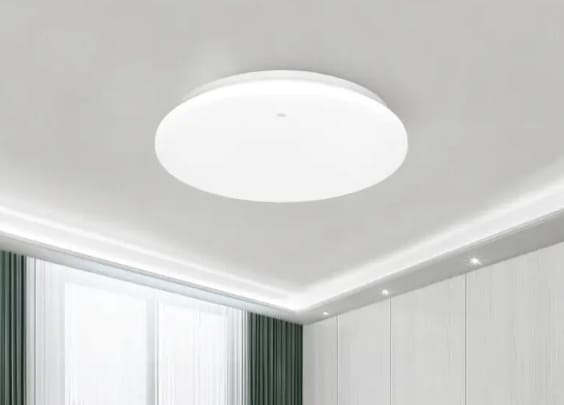
The difference between LED lights and ordinary lights
1. Incandescent lamp
1) Operating principle
An incandescent lamp emits light by heating its filament with an electric current. The filament is typically made of tungsten, and when current flows through it, it generates high temperatures, thereby emitting light.
2) Advantages and disadvantages
• Advantages: Incandescent lamps have good color rendering, which can restore the true colors of objects. In addition, incandescent lamps are relatively inexpensive and suitable for some temporary lighting needs.
• Disadvantages: Incandescent lamps have low energy efficiency, with only about 10% of the electrical energy converted into light energy, while the rest is converted into heat energy, resulting in high energy consumption. In addition, incandescent lamps have a short lifespan, typically lasting around 1000 hours.
2. Fluorescent lamp
1) Operating principle
Fluorescent lamps excite mercury vapor inside the lamp tube with electric current, generating ultraviolet light. This ultraviolet light then excites the phosphor on the inner wall of the lamp tube, emitting visible light.
2) Advantages and disadvantages
• Advantages: Fluorescent lamps have a higher energy efficiency than incandescent lamps, providing higher brightness and a longer lifespan, typically around 8,000 hours.
• Disadvantages: Fluorescent lamps contain mercury, which poses a hazard to the environment and human health if broken. Additionally, fluorescent lamps have low color rendering and emit glaring light, which may cause discomfort to the eyes after prolonged use.
3. LED light
1) Operating principle
LED lights emit light through the recombination of electrons and holes in semiconductor materials, releasing energy and generating photons. Their lighting principle determines the high energy-saving performance of LED lights.
2) Advantages and disadvantages
• Advantages: LED lights are energy-efficient, have a long lifespan, are environmentally friendly and pollution-free, offer high color rendering, turn on instantly, and come in diverse designs, making them suitable for various lighting needs.
• Disadvantages: The initial purchase cost of LED lights is relatively high, but with the development of technology and the popularization of the market, the price gradually decreases, and the cost-effectiveness becomes increasingly high.
Application scenarios of LED lights
1. Home lighting
LED lights are widely used in household lighting, such as living rooms, bedrooms, kitchens, bathrooms, etc. Their high efficiency, energy saving, long lifespan, and diverse designs make them an ideal choice for household lighting. Consumers can choose suitable LED lighting fixtures based on different room functions and decoration styles.
2. Commercial lighting
In commercial lighting, LED lights have also been widely used, such as in offices, shopping malls, supermarkets, hotels, etc. Their high color rendering and instant-on features enhance the lighting effects and user experience in commercial spaces. In addition, the energy-saving performance of LED lights significantly reduces the operating costs of commercial spaces.
3. Outdoor lighting
LED lights also excel in outdoor lighting, such as street lighting, square lighting, and building facade lighting. Their high brightness, durability, and environmental performance make them widely used in outdoor lighting. The diverse designs of LED lights can also meet the needs of different outdoor lighting scenarios.
4. Special lighting
LED lights are also widely used in special lighting fields, such as stage lighting, exhibition lighting, and medical lighting. Their high color rendering and flexible design give them unique advantages in these fields. For example, in stage lighting, LED lights can provide a variety of colors and lighting effects, enhancing the stage performance; in medical lighting, the high color rendering and flicker-free characteristics of LED lights improve the lighting quality of the medical environment.
Future development trend
With the continuous advancement of technology, the performance and application scope of LED lights will be further expanded. In the future, LED lights will achieve more breakthroughs in intelligent lighting, wireless control, and healthy lighting. For example, smart LED lights can be remotely controlled through mobile phones or smart home systems to adjust brightness and color temperature, enhancing user experience; healthy lighting focuses on the impact of light on human physiology and psychology, providing a more comfortable lighting environment.
LED lights have gradually replaced traditional incandescent bulbs, becoming the mainstream choice for modern lighting due to their advantages such as high efficiency and energy saving, long lifespan, environmental friendliness and non-pollution, high color rendering, instant on and off, and diverse designs. Whether it’s for household lighting, commercial lighting, outdoor lighting, or special lighting, LED lights excel and meet the lighting needs of different scenarios.
In the future, with the continuous advancement of technology and the popularization of the market, the performance and application scope of LED lights will be further expanded, bringing more convenience and comfort to people’s lives. Choosing LED lights is not only an improvement to one’s own quality of life, but also a contribution to environmental protection and sustainable development.