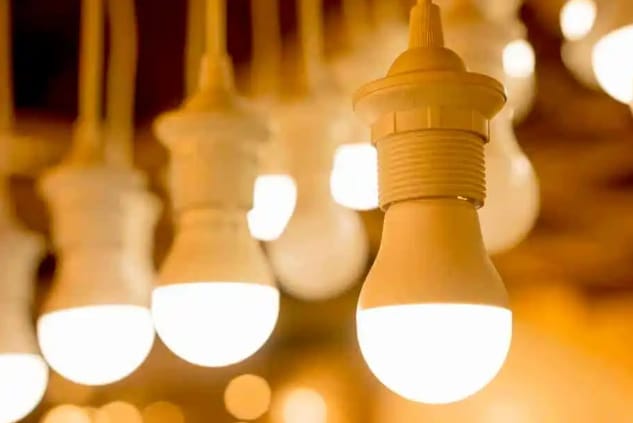
The core difference between energy-saving lamps and LED lamps lies in the fact that LED lamps have a longer lifespan, consume less electricity, and are mercury-free. A 1W LED lamp is approximately as bright as a 3W energy-saving lamp. Although LED lamps are slightly more expensive per unit, they are more cost-effective and safer in the long run.
Core performance comparison
Different light-emitting principles: Energy-saving lamps emit light by heating the filament to excite the gas, while LED lamps directly convert electrical energy into light energy using semiconductor chips.
Significant differences in service life:
LED lights: They typically last between 25,000 to 100,000 hours, and can last for over 5 years under normal household usage.
Energy-saving lamp: Its lifespan is generally between 5,000 and 10,000 hours, meaning it needs to be replaced after about a year.
Energy consumption and brightness conversion:
Under the same brightness, LED lights consume approximately 75% less electricity than energy-saving lamps.
Simple conversion reference: 1W LED lamp ≈ 3W energy-saving lamp ≈ 15W incandescent lamp.
For example, to achieve the brightness of a 60W incandescent lamp, a 4W LED lamp or an 11W energy-saving lamp can be used.

Which is better, safety or environmental protection
Mercury Risk: Energy-saving lamps contain trace amounts of mercury, which can volatilize and pollute the air if broken. Handle with care.
Waste disposal: LED lights do not contain mercury and are made of non-toxic materials, posing no risk of heavy metal pollution after breakage, making recycling and disposal simpler.
Seismic performance: LED lights are solid-state encapsulated, with good seismic and lightning protection performance; energy-saving lamps are fragile, and frequent switching can shorten their lifespan.
Which is more cost-effective when it comes to doing the math
Purchase cost: Under the same brightness, the unit price of LED lights is usually higher than that of energy-saving lamps.
Long-term electricity cost: Based on 2.5 hours of use per day, the annual electricity cost for LED lights is approximately $0.91 (referenced from overseas data), while that for energy-saving lamps is approximately $1.41, indicating that LEDs are more energy-efficient.
Comprehensive cost-effectiveness: Although you may spend a little more when buying the lights, considering that LED lights do not need to be replaced frequently and the electricity bill is lower, the total cost of using LED lights over the long term is the lowest.